
Kamusta, Ka-Optimalliving!
If you’ve been searching for natural ways to lower blood sugar, you’re in the right place. High blood sugar (hyperglycaemia) is a silent threat—it can damage your nerves, kidneys, and heart over time. But here’s the good news: simple lifestyle changes can make a big difference. These tips are evidence-based, practical, and perfect for Filipino families.
Important Reminder: These strategies support your doctor’s advice—they do not replace medication. Always consult your healthcare provider before making major changes.
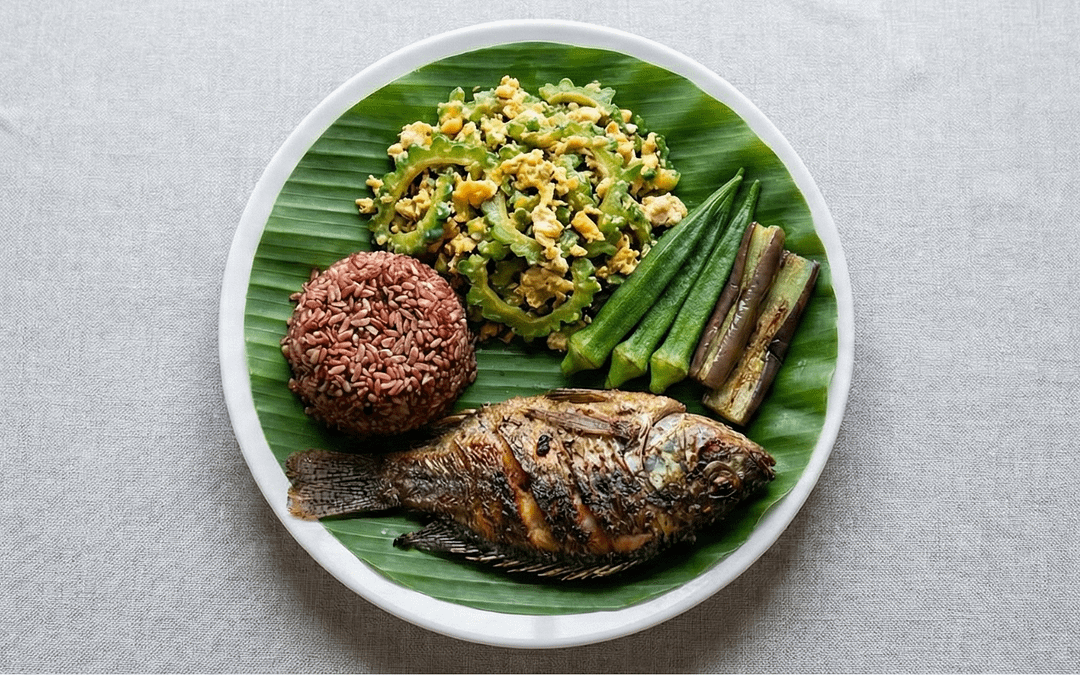
Why Managing Blood Sugar Matters
High blood sugar doesn’t just happen to people with diabetes. It can affect anyone with poor diet, stress, or lack of sleep. Symptoms like excessive thirst (polydipsia), frequent urination (polyuria), and constant hunger (polyphagia) are warning signs. If ignored, complications like kidney failure and heart disease can follow.
The good news? You can start today with these 10 proven natural ways to lower blood sugar.
Strategic Nutrition: It’s Not Just About Cutting Sugar
Food is medicine—but only if you choose wisely. Let’s break down the most effective nutrition strategies.
1. Master Your Carb Intake
Carbohydrates turn into glucose, so managing them is key. But don’t fall for the myth that you must avoid all carbs. Healthy carbs like brown rice, kamote (sweet potato), and whole fruits are essential.
Actionable Tip:
- Learn carb counting. If you’re on insulin, this helps adjust doses.
- Choose low glycaemic index (GI) foods like oats, legumes, and barley. They digest slowly, preventing sugar spikes.
- Swap white rice for red rice or quinoa.
2. The Power of Fibre
Fibre slows digestion and sugar absorption. It also keeps you full longer, helping with weight control.
Types of Fibre:
- Soluble fibre (found in oats, apples, beans) helps regulate blood sugar.
- Insoluble fibre (found in vegetables and whole grains) supports digestion.
Actionable Tip: Aim for 25g (women) and 35g (men) daily. Add gulay like malunggay, kangkong, and okra to your meals.
3. Portion Control & The Plate Method
Portion size matters. The Plate Method is simple:
- Half your plate: Non-starchy vegetables (ampalaya, pechay).
- One quarter: Lean protein (fish, chicken).
- One quarter: Carbs (brown rice, kamote).
Filipino Hack: Use a smaller plate and avoid “buffet-style” eating.
4. Hydration Habits
Water is your best friend. It helps flush excess sugar through urine and prevents dehydration.
Avoid: Sugary drinks like soda, fruit juice, and sweetened iced tea—they spike blood sugar and add empty calories.
Tip: Carry a refillable water bottle. Add cucumber or calamansi slices for flavour.
5. Follow WHO Sugar Guidelines
The World Health Organization recommends limiting free sugars to less than 10% of daily calories. For extra benefits, go below 5%—that’s about 6 teaspoons per day.
Practical Tip: Skip the extra sugar in coffee. Choose fresh fruit over desserts.
Physical Activity: The Natural Glucose Burner
Exercise is one of the most powerful natural ways to lower blood sugar. Here’s why:
6. Exercise Regularly
Physical activity increases insulin sensitivity, meaning your cells use glucose better. Muscles also burn sugar for energy.
Goal:
- 150 minutes of moderate activity per week (brisk walking, cycling).
- Try “exercise snacks”—stand up and move every 30 minutes if you sit all day.
Filipino Tip: Dance to your favourite OPM hits or do household chores like walis or paglalaba—they count as exercise!
7. Safety First
Exercise can lower blood sugar too much, especially if you’re on insulin.
Checklist:
- Check sugar before and after workouts.
- Carry a snack (15–30g carbs) like a banana or crackers.
- Avoid exercising on an empty stomach.
Lifestyle Factors: Sleep, Stress, and Weight
Your daily habits matter as much as diet and exercise.
8. Manage Your Weight
Losing just 5% of your body weight can improve blood sugar and reduce medication needs.
Tip: Start small—skip sugary drinks, add veggies, and walk daily.
9. Stress Management
Stress releases hormones like cortisol that raise blood sugar.
Try:
- Deep breathing for 5 minutes.
- Yoga or stretching.
- Listening to calming music.
10. Prioritise Sleep Quality
Poor sleep lowers insulin sensitivity and increases appetite. Aim for 7–8 hours nightly.
Tip: Create a bedtime routine—dim lights, avoid gadgets, and sip warm salabat (ginger tea).
Micro-Habits and Micronutrients
- Probiotics: Yogurt, kefir, kimchi may help lower fasting sugar.
- Magnesium & Chromium: Found in malunggay, nuts, seeds, and whole grains.
- Medicinal Foods: Cinnamon, apple cider vinegar, and fenugreek show promise, but evidence is limited. Always consult your doctor.
Special Considerations for Monitoring
- Check sugar regularly: Before meals, 2 hours after, and at bedtime.
- Illness & menstruation: Hormonal changes can cause swings.
- Alcohol: Can cause hypoglycaemia—never drink on an empty stomach.
Frequently Asked Questions about Natural Ways to Lower Blood Sugar
Q1: Can natural ways to lower blood sugar replace medication?A: No. They complement your doctor’s plan, not replace it.
Q2: How fast do these methods work?A: Some changes, like hydration and exercise, help immediately. Others take weeks.
Q3: Is fruit safe for diabetics?A: Yes, whole fruits are fine—avoid juices.
Q4: Does stress really affect blood sugar?A: Yes, stress hormones raise blood sugar.
Q5: How often should I check my blood sugar?A: Common times: before meals, 2 hours after meals, and at bedtime.
Conclusion
Managing blood sugar naturally is possible with smart nutrition, regular exercise, and healthy habits. These natural ways to lower blood sugar can help prevent complications and improve your quality of life. Always consult your doctor before making major changes.
Medical Disclaimer
“Medical Disclaimer: I am not a doctor. No material on this site is intended to be a substitute for professional medical advice, diagnosis, or treatment. Always seek the advice of your physician or other qualified healthcare provider regarding any medical condition or treatment and before undertaking a new health care regimen or wellness routine. Optimal Living PH does not recommend or endorse any specific tests, physicians, procedures, opinions, or other information that may be mentioned on this website. Reliance on any information provided by Optimal Living PH is solely at your own risk.”
References
- https://www.cdc.gov/diabetes/treatment/
- https://www.mayoclinic.org/diseases-conditions/diabetes/in-depth/diabetes-diet/art-20044295
- https://www.mayoclinic.org/diseases-conditions/diabetes/in-depth/diabetes-management/art-20047963
- https://www.who.int/news/item/04-03-2015-who-calls-on-countries-to-reduce-sugars-intake-among-adults-and-children
- https://www.healthline.com/nutrition/14-ways-to-lower-blood-sugar
Explore Our Favourite Wellness Tools
To help support your family’s overall well-being, we share tools and products that we believe in. If you are looking for practical tools to help you achieve a healthier lifestyle, check out our selection at the