
Welcome, Ka-Optimalliving!
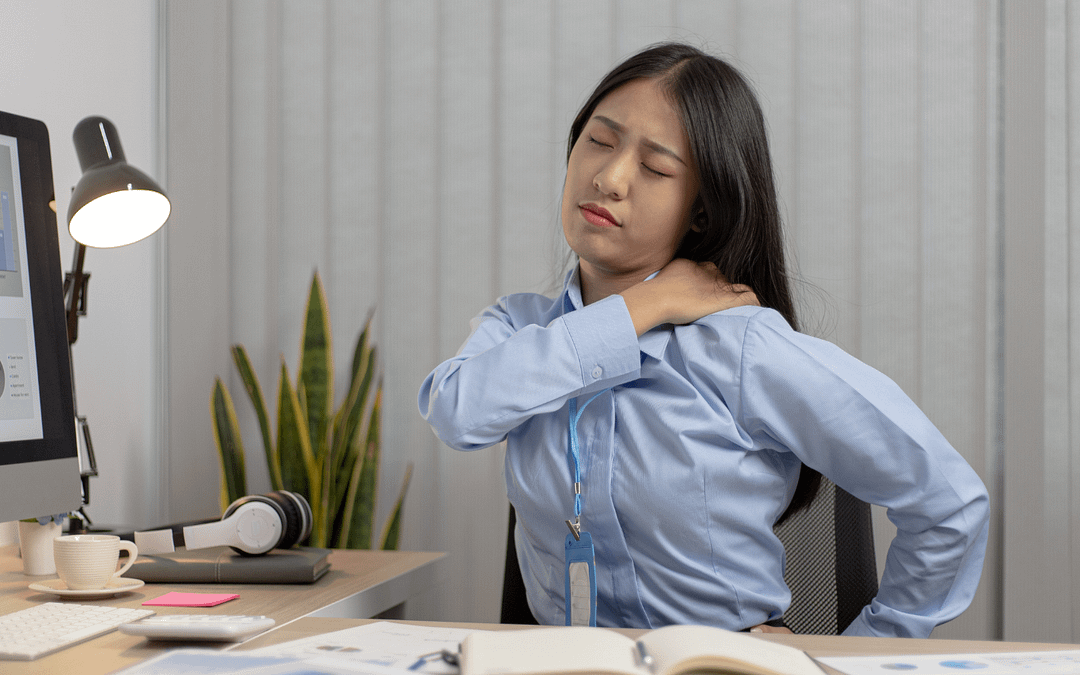
Long hours at a desk or scrolling on devices can take a toll on your posture, leading to stiffness and discomfort in the neck, shoulders, and back. This happens because of static loading—when muscles stay in one position for too long, creating strain and tension (Source:
1. Simple Stretches for Neck and Upper Body Relief Poor posture, like forward head tilt, strains the neck and upper back muscles. These stretches help restore alignment:
-
Upper Trapezius Stretch: Sit upright. Hold the chair edge with one hand to keep your shoulder down. Gently tilt your head toward the opposite shoulder. Hold for
15–30 seconds -
Shoulder Rolls: Sit tall, chin tucked. Roll shoulders forward, up, back, and down in slow circles. Repeat 10 times to release tension.
-
Chest Opener: Sit straight, arms relaxed. Squeeze shoulder blades together for 5 seconds, then release. Repeat several times to counteract slouching.
2. Standing and Seated Moves for Back and Hip Relief Prolonged sitting shortens hip flexors and stresses the lower back. Try these mobility boosters:
-
Seated Cat-Cow: Inhale as you arch your back (Cow), exhale as you round your spine (Cat). Repeat for 5–10 breaths to improve spinal flexibility.
-
Seated Figure-Four Stretch: Cross your ankle over the opposite knee. Keep your back straight and lean forward until you feel a stretch in the glutes. Hold for 20–30 seconds.
-
Standing L-Stretch: Place hands on a sturdy surface, step back, and hinge at the hips until your body forms an “L.” Hold for 20–30 seconds to lengthen the spine.
3. Ergonomics and Movement Integration Preventing tension starts with posture and regular movement:
-
Take Movement Breaks: Stand and stretch at least
once every hour -
Screen Position: Keep your monitor at eye level, about
20 inches away -
Chair Setup: Adjust your chair so feet are flat on the floor, knees at or slightly below hip level, and lumbar support maintains your spine’s natural curve (Source:
Mayo Clinic
Important Note These stretches and tips help relieve tension and improve posture, but they are not a substitute for medical care. If pain persists or worsens, consult a healthcare professional. For overall health, follow WHO guidelines: 150 minutes of moderate-intensity activity weekly (Source:
Benefits of Regular Stretching and Ergonomics
-
Reduced Neck and Back Discomfort
-
Improved Posture and Mobility
-
Better Energy and Focus
Final Thoughts Musculoskeletal discomfort often stems from prolonged sitting, but small, consistent changes make a big difference. Incorporate these stretches and ergonomic habits daily, Ka-Optimalliving, and your body will thank you!
Medical Disclaimer
No material on this site is intended to be a substitute for professional medical advice, diagnosis, or treatment. Always seek the advice of your physician or other qualified healthcare provider regarding any medical condition or treatment and before undertaking a new health care regimen or fitness routine. RedShack Digitals does not recommend or endorse any specific tests, physicians, products, procedures, opinions, or other information that may be mentioned on this website. Reliance on any information provided by RedShack Digitals is solely at your own risk.
References
-
https://www.mayoclinic.org/healthy-lifestyle/adult-health/expert-answers/back-pain/faq-20057828
-
https://www.acsm.org/education-resources/trending-topics/stretching
-
https://www.who.int/news-room/fact-sheets/detail/physical-activity
-
https://www.osha.gov/ergonomics
-
https://www.mayoclinic.org/healthy-lifestyle/adult-health/expert-answers/office-ergonomics/faq-20058369
Explore Our Favourite Wellness Tools
To help support your family’s overall well-being, we share tools and products that we believe in. If you are looking for practical tools to help you achieve a healthier lifestyle, check out our selection at the